Rodent Control in San Antonio, Texas

Roof rats in the attic, Norway rats under the shed, mice in the pantry and pack rats out in the brush. Call, talk to a person, and get connected with a licensed local tech.
Call and tell us what you're hearing
(210) 955-2948- Rats, mice and pack rats only
- You talk to a person first
- We don't quote or sell anything
- Homes and businesses in Bexar County
A lot of San Antonio rodent stories start in the attic. Something runs across the ceiling at 2 a.m., stops, then runs back. Most of the time that's a roof rat. They climb pecan trees, palms and power lines, cross the roof and slip in at a gap by the soffit. Our roof rat page walks through what to look for.
Rats aren't the only call. House mice come in through weep holes and garage doors. Norway rats dig along slabs and under sheds near the creeks. Out on the north and west edges, where houses back onto cedar and prickly pear, pack rats build stick nests under decks and in stored trucks. We take calls about all of them, and only them.
Here's how it works. You call the number on this page and tell a real person what you're seeing and where you live. We put you through to an independent pest control company, licensed in Texas, that covers your part of Bexar County. They come out, look things over and give you a price. We stay out of the money.
Which One Have You Got?
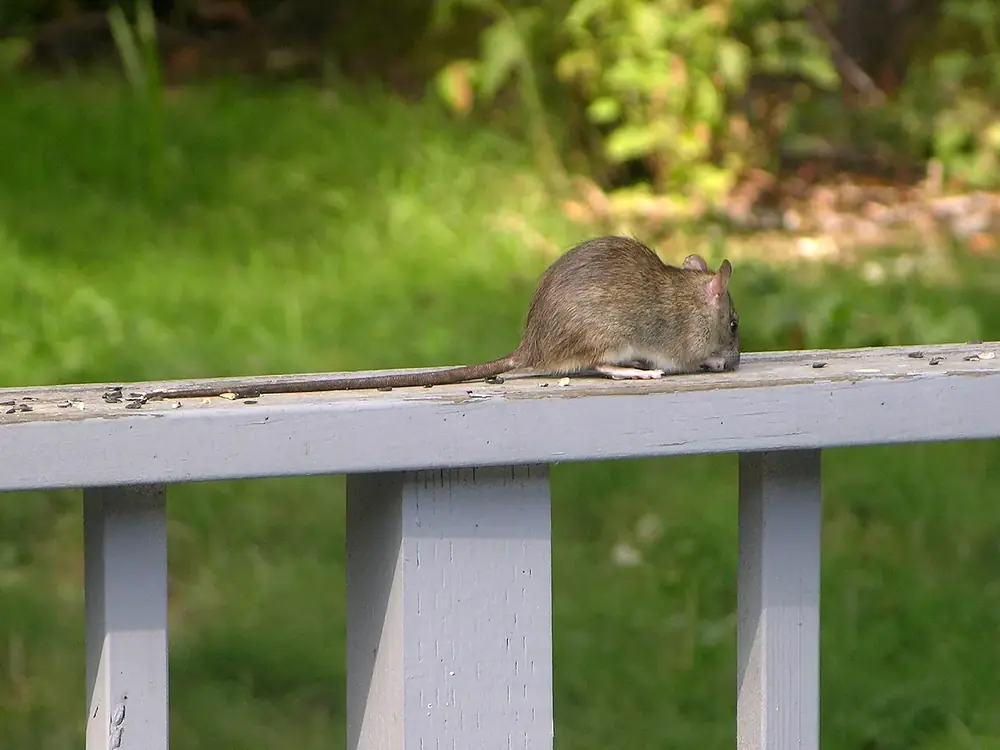
Roof Rats
The climbing rat. Lives in attics, palms, ivy and fruit trees, and comes and goes along fences and utility lines.
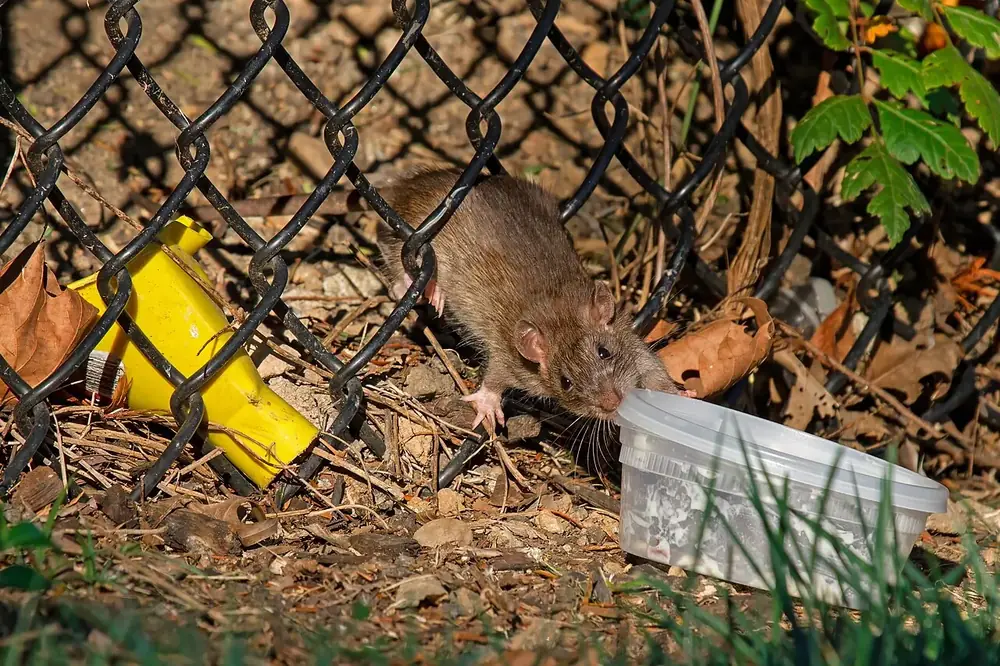
Norway Rats
The heavy brown rat that digs. Burrows under slabs, sheds and woodpiles near food and water.
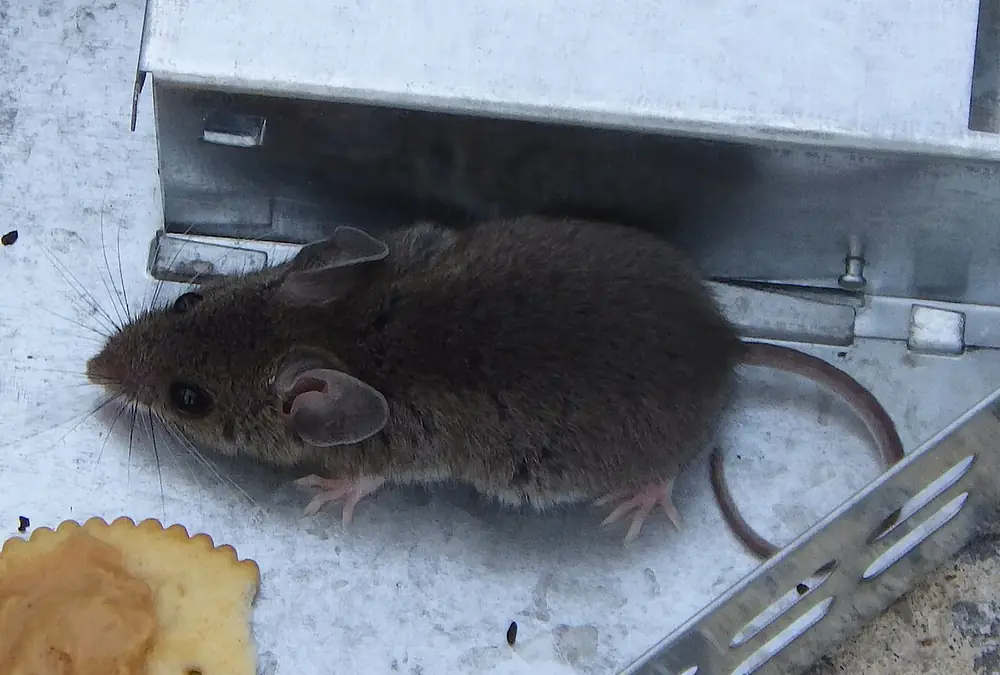
House Mice
House mice in kitchens, garages and wall voids. Small, quick, and able to use gaps you'd never notice.
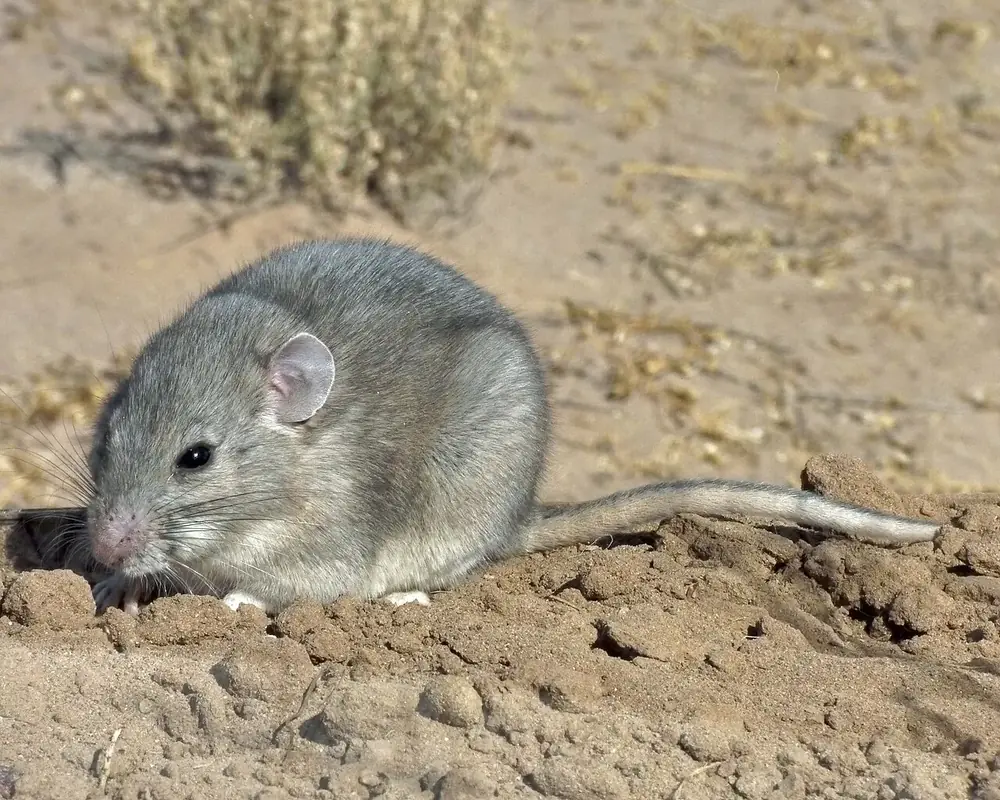
Pack Rats
Woodrats that build big stick and cactus nests in brush, sheds, under decks and in cars that sit.
Why San Antonio Houses Get Rodents
Start with the weather. San Antonio winters are short and mild, so rodents stay busy all year. There's no single fall rush like up north. Instead the calls come steadily, with spikes when a hard cold front blows through or a week of rain floods the low spots. Roof rats do well here. The urban entomology team at Texas A&M says roof rats are common in cities across the South, and an attic in Bexar County is warm enough for them twelve months a year.
Then look at the trees. The older neighborhoods inside Loop 410 have huge oaks and pecans, and a lot of those limbs hang right over the roof. That's how rats get up there. Alamo Heights, Olmos Park and Terrell Hills are full of homes like that, and so are the big lots in Castle Hills and Shavano Park. Our guide to roof rats and fruit trees covers what to trim.
Close to downtown, the houses get older and many sit on pier-and-beam foundations with a crawl space underneath. Broken skirting gives Norway rats and mice a place to live under the floor. That's a common story in Beacon Hill and Five Points and the older blocks of the South Side. Creeks and drainage channels run through much of the city too, and rats travel along them.
Out past Loop 1604, the houses are newer but the land isn't tamed. Stone Oak and Timberwood Park back onto cedar, oak and limestone. Woodrats, deer mice and roof rats live in that brush, and a shed, a deck or a stored boat is an easy step up for them. We take calls from Leon Valley, the Northeast Side cities and the rest of Bexar County too.
- Old trees over old roofs: roof rats in the attic
- Pier-and-beam houses: rats and mice in the crawl space
- Brick veneer: mice through open weep holes
- Brushy edges of town: pack rats in sheds, decks and stored vehicles
Noise in the attic tonight? Talk to someone who handles San Antonio rodents.
Call (210) 955-2948
The San Antonio Rodent Calendar
| Spring | Babies in the attic and new nests in the brush. Good time to trim limbs off the roof and screen the weep holes before the heat sets in. |
|---|---|
| Summer | Rodents go looking for water. Leaky hose bibs, AC drip lines and pet bowls draw them. A dead rat in a hot attic gets noticed fast. See odor removal. |
| Fall | Pecans drop, citrus ripens and roof rats eat well. Check the attic for droppings while it's cool enough to stand up there. |
| Winter | Cold fronts push mice into garages and kitchens for a few days at a time. Listen for noise in the walls after a norther. The year-round prevention guide has a checklist. |
Rodent Work We Can Connect You With
| Roof Rat Control | The climbing rat. Lives in attics, palms, ivy and fruit trees, and comes and goes along fences and utility lines. |
|---|---|
| Norway Rat Control | The heavy brown rat that digs. Burrows under slabs, sheds and woodpiles near food and water. |
| Mouse Control | House mice in kitchens, garages and wall voids. Small, quick, and able to use gaps you'd never notice. |
| Pack Rat Removal | Woodrats that build big stick and cactus nests in brush, sheds, under decks and in cars that sit. |
| Sealing and Exclusion | Closing the gaps at the roofline, the foundation and the garage so new rodents can't follow the old ones in. |
| Attic Cleanup | Removing droppings and soiled insulation, sanitizing, and checking ductwork once the rats are gone. |
| Rodent Inspection | A careful walk of the roofline, attic, garage and yard to find out what you have and how it's getting in. |
| Commercial Rodent Control | Ongoing rodent programs for restaurants, warehouses, offices, schools and apartment complexes. |
| Dead Rodent Odor Removal | Finding and removing a dead rat or mouse in the attic, a wall or the crawl space, then cleaning the spot. |
Why Call This Line
Rodents only
No roach spraying, no termite pitch. The questions we ask are about rodents, like whether the noise is up high or down low, and whether you've seen burrows by the slab.
A person answers
During business hours you talk to somebody, not a phone menu. Tell them the cross streets and what you've found, and they handle the rest of the call.
Sealing, not just traps
Traps catch the rats that are already in. Closing the gaps keeps the next ones out. A good tech will talk about sealing the roofline from the start.
No sales pitch from us
We don't quote jobs or push packages. The company that comes out sets the price after they've seen the place. How the referral works explains the rest.
Quick Answers
How do I know if it's a rat or a mouse?
Droppings are the quickest tell. Mouse droppings are about a quarter inch long. Rat droppings are closer to half an inch or more. Noise in the attic at night usually means a roof rat.
How much will it cost?
We don't set prices. The company quotes it after they've looked, since the number of gaps, the size of the attic and any cleanup all change the job.
Is the bait safe with my dog?
Bait should only go in locked, tamper-resistant stations, usually outside. Many jobs need none indoors. Our pets and kids guide has more.
Do you handle squirrels or raccoons?
No, this line is rats, mice and pack rats only. For other animals in the attic, call a wildlife removal company.
Where We Take Calls
- Alamo Heights, Olmos Park and Terrell Hills
- Stone Oak
- Timberwood Park
- Leon Valley
- Castle Hills and Shavano Park
- Medical Center
- Windcrest, Live Oak and Universal City
- Leon Springs and Fair Oaks Ranch
- Beacon Hill and Five Points
- South Side and the Missions
Don't see your neighborhood? Call anyway. If you're in Bexar County, there's a good chance someone works your street.